Forbes 30 Under 30: one alumna at the cutting-edge of neuroscience

Patricia Zvarova (BSc Hons 2021) first became interested in the field of neuroscience when her brother fell into a coma following a car accident as a teenager. This event led to Patricia’s studies at St Andrews, her research into deep brain stimulation and Parkinson’s disease, and her recent inclusion in the Slovakian Forbes 30 Under 30 list.
I grew up in Rimavská Píla, a small village in Slovakia. My interest in neuroscience started during my teenage years after my brother was involved in a serious car accident and spent several weeks in a coma. This experience raised many questions for me about the brain and how such a complex system can be so fragile. It also made me wonder why we still know so little about such an important organ. I became fascinated by how brain injuries affect consciousness and recovery, and this gradually developed into a deeper interest in neuroscience.
From Slovakia to Scotland
As neuroscience was not offered as a field of study in Slovakia at the time, I began looking for options abroad. Luckily, during high school, I was a part of a Slovak talent development program called TalentGuide, where students were paired with academic mentors. My mentor had previously studied in the UK and introduced me to the possibility of studying in Scotland. As a first-generation student, studying abroad, especially in the UK, felt financially out of reach for me. When I learned that EU students could study in Scotland without paying tuition fees (which, unfortunately, is no longer possible), this opened a door that I had not seriously considered before.
Soon after, I started researching the best universities in Scotland offering Neuroscience programmes and St Andrews immediately stood out, not only because of the University’s strong academic reputation, but also because it meant I could finally fulfil a small personal dream of living by the sea.
Another important factor that led me to St Andrews was that the University offered financial support for accommodation via an Accommodation Award. For me, this reflected the idea that if a student earns a place based on their abilities, financial barriers should not stand in the way of that opportunity.
Making our own traditions
My time at St Andrews was defined by the simple, everyday experiences that became my favourite memories. Many of them revolve around time I spent with my friends; evening walks along the beach, spontaneous late-night trips to Tesco to buy an unreasonable amount of snacks, studying in the library until closing time and waiting for the moment when the free doughnuts appeared, decorating a Christmas tree we built from toilet paper rolls, barbecues on the beach and gatherings in our garden. It felt like we created our own small traditions alongside the well-known St Andrews ones and those shared experiences are what I remember most from my time as a student.

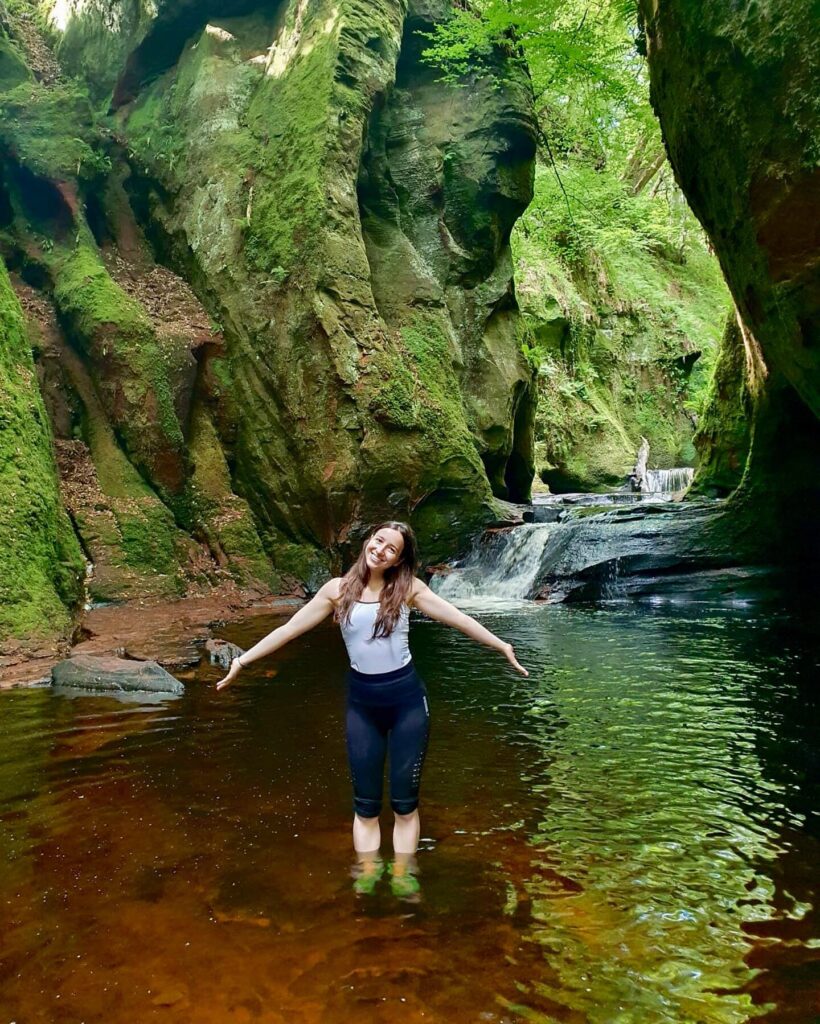
One of the most memorable ‘classic’ St Andrews traditions for me was May Dip. In my first year, it was -1°C outside, and we were standing on the beach thinking there’s no way we are going in. Moments later we saw crowds of students running into the water without hesitation, and within seconds, we were doing the same.
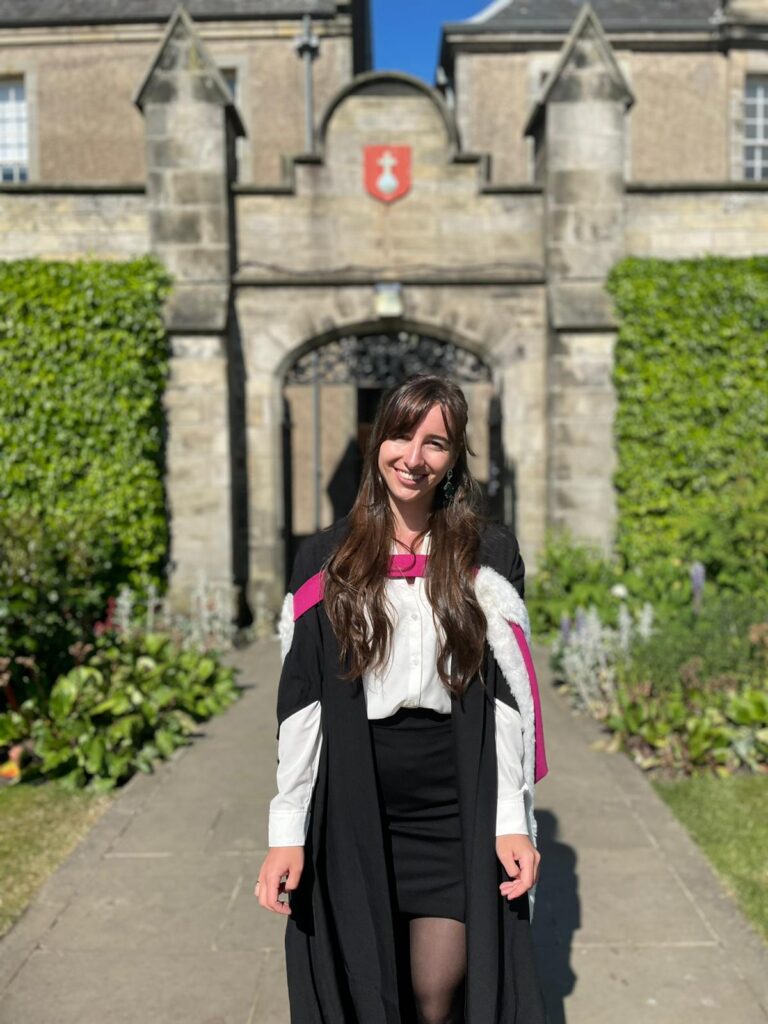
After graduating from St Andrews, I moved to Berlin to begin a fast-track PhD programme at Charité – Universitätsmedizin Berlin, funded by the Einstein Center for Neurosciences. At the same time, I also began working for a medical software startup, which gave me the opportunity to experience both academic research and a more applied scientific environment early in my career.
A career in research
One aspect of the PhD programme I appreciated was its philosophy of supporting researchers rather than assigning students to a single, predefined project. This meant that I had the freedom to explore different ideas and work with the lab that matched my interests. It also allowed me to choose a supervisor who was not physically based in Berlin at the time. This eventually led me to focus on deep brain stimulation and Parkinson’s disease, and gave me the opportunity to visit him at Brigham and Women’s Hospital, affiliated with Harvard Medical School. It was an exciting experience to work at such an institution, and some of my friends from St Andrews even came to visit me there.
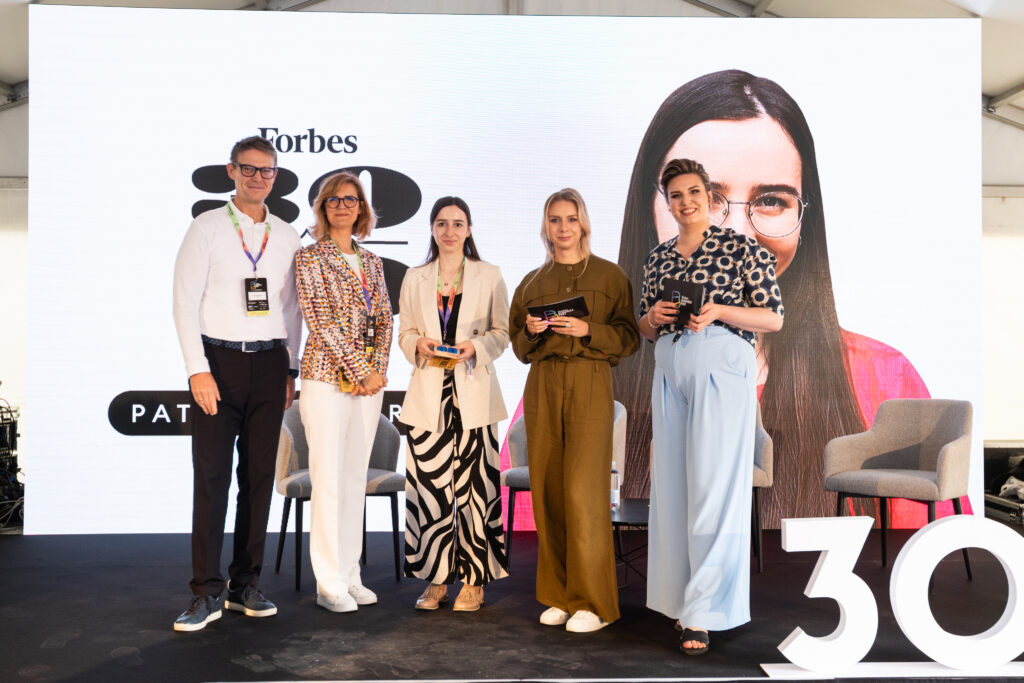
I was lucky enough to have an amazing supervisor and colleagues, which led to several co-authored scientific publications and my place on the Forbes 30 Under 30 list in Slovakia. While it was a personal honour, I see it as a reflection of the support, mentorship and collaboration that shaped my work.
Looking back, one of the things that stands out most about my academic journey is that I have never felt unprepared for the challenges that came my way. Many times during my PhD, I caught myself thinking that this was exactly what my time at St Andrews prepared me for.