Charting my course: from St Andrews to the Atlantic

Chris (Yongen) Chen (MSc 2023) came to St Andrews to study Statistical Ecology, but by the end of her year at the University she had gained far more than a qualification. Chris reflects on the friendships she formed, the opportunities she embraced, and how her time at St Andrews gave her the confidence to take on the challenge of sailing across the Atlantic Ocean.
I’m originally from Guangzhou, China. I’ve loved animals since I was a child, so I went on to study wildlife conservation for my undergraduate degree. For my Masters, I wanted to develop stronger quantitative skills and learn how to work with wildlife and ecological data. St Andrews offered an MSc in Statistical Ecology, which was exactly what I was looking for.
Finding a global community
My time at St Andrews was about so much more than just my degree. I was a part of a small but incredibly international cohort, with classmates from Malaysia, Pakistan, the UK, the US, South Africa and beyond. We had all travelled to Scotland from different corners of the world to study the same degree, and I think that made us really cherish the time we had together.

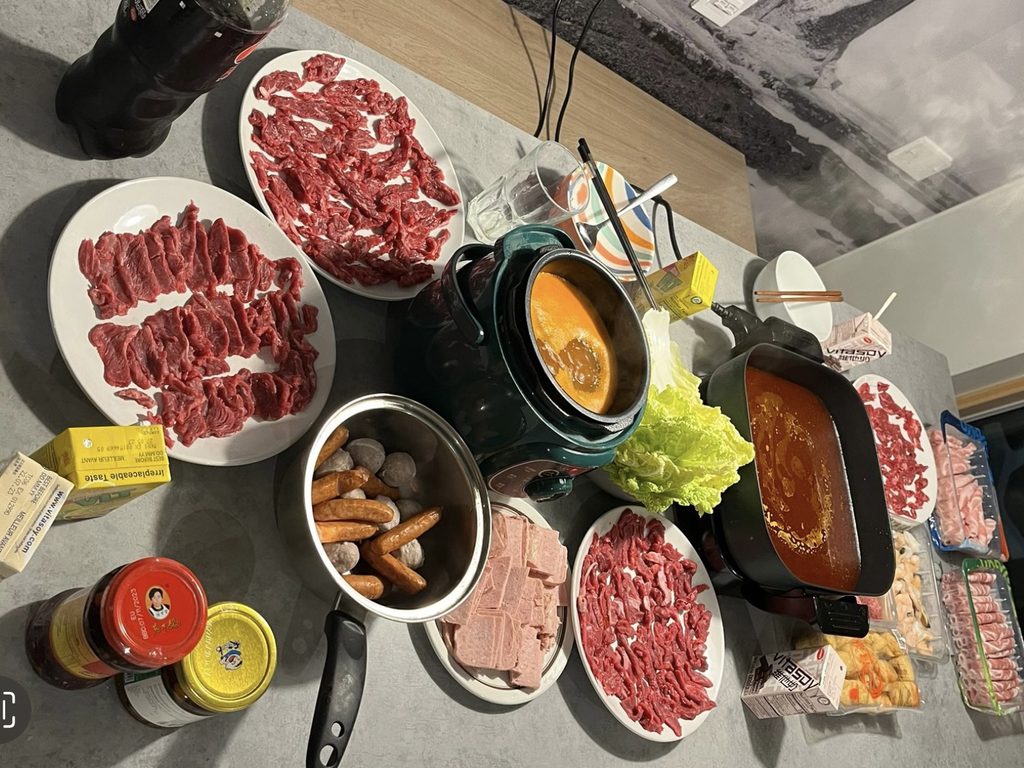
We organised days out in St Andrews and the surrounding areas, met up every Wednesday to go through quiz questions, explored local cafes and restaurants, and often enjoyed hotpot together. When I had to miss some classes because of Covid-19, my classmates would let me know what had been covered and help me to catch up.
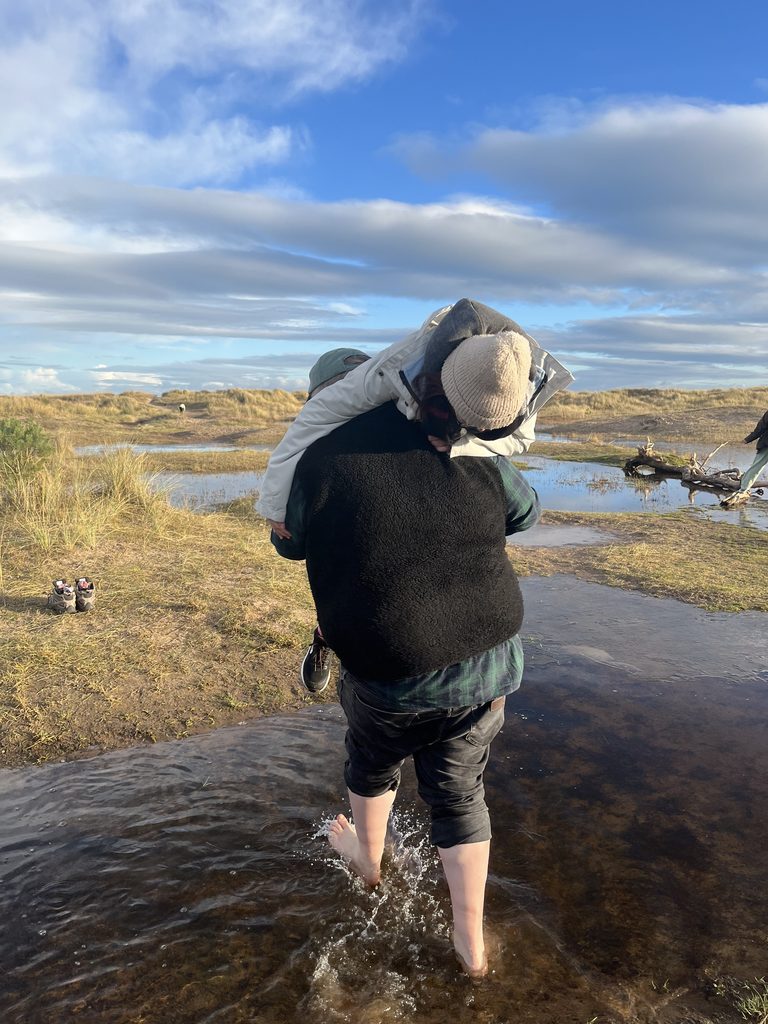
Support, friendship and plenty of hotpot
I found the same support at home through my flatmates. There were times when I felt homesick or wondered whether I had fully integrated into university life, and they were often the first people I would turn to. My flatmate Evke, the first friend I made in St Andrews, was always there to reassure me that those feelings were normal. She introduced me to her friends and offered advice and support.
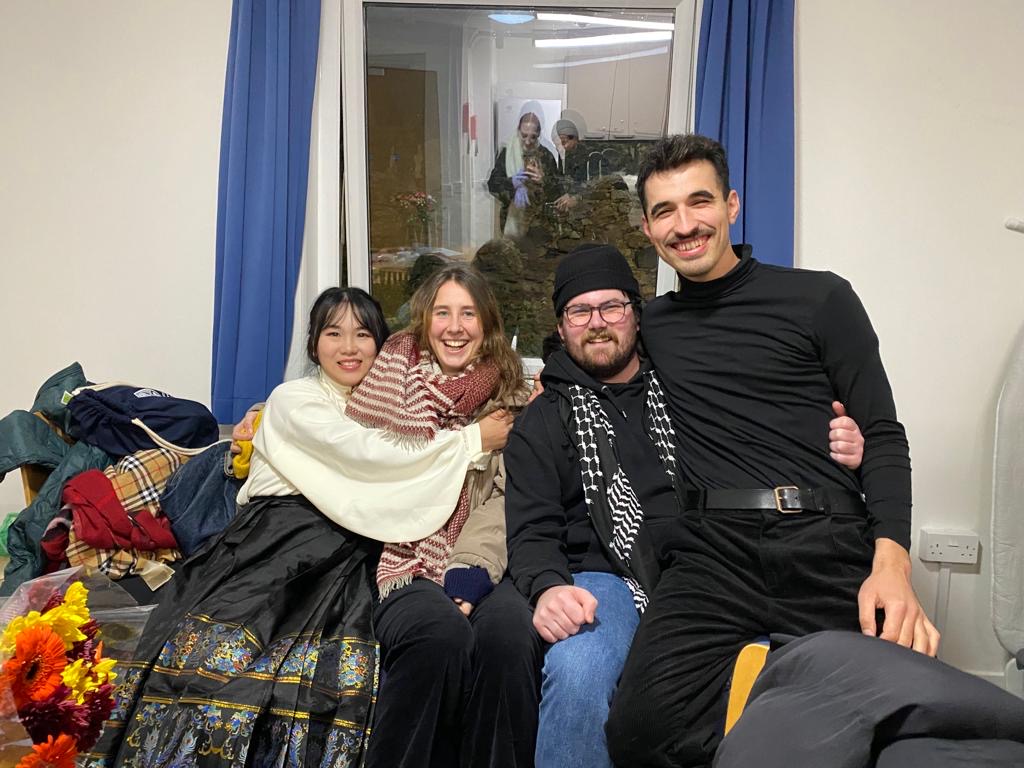

When I needed a break, Evke would come with me to Edinburgh to spend time in a busier environment. I’m very glad I had her not only as a flatmate, but as a friend. Thanks to my flatmates, I also experienced many things I might never have tried otherwise, including ceilidh dancing!
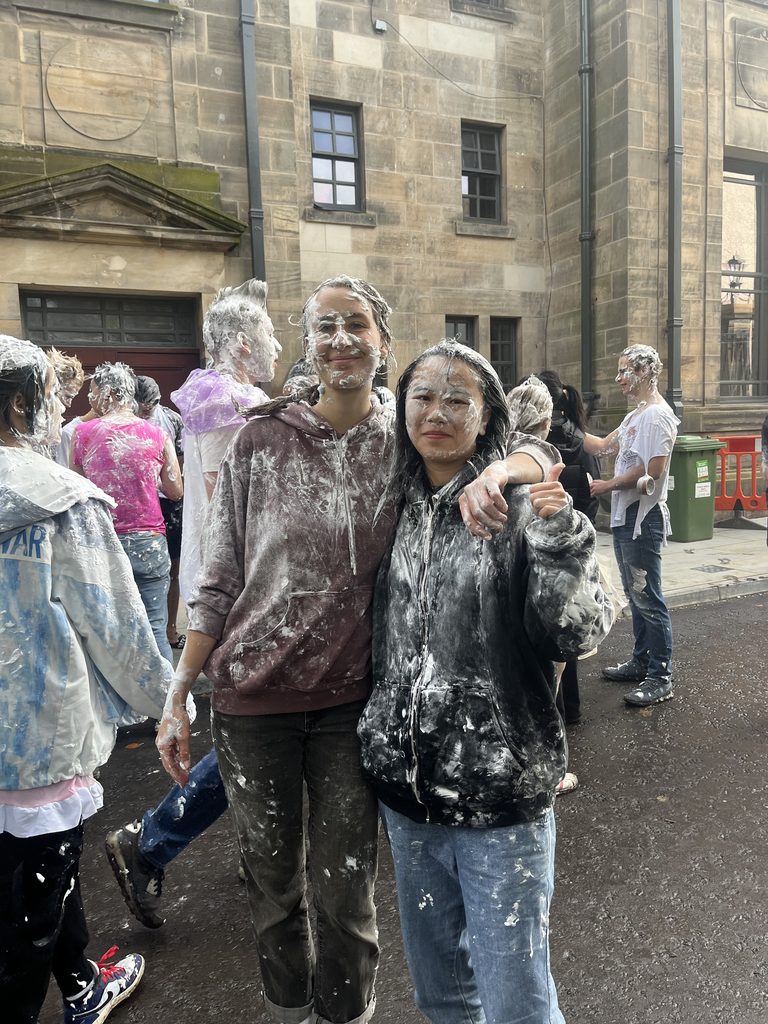
I made many friends through my involvement in the Chinese Society. We celebrated traditional festivals together and shared plenty of hotpot. It was nice to have that little piece of home while living abroad. Some of the people I met through the Society are now among my closest friends, and we still meet up regularly in China today.
St Andrews gave me the chance to try things that were completely new to me. With so many opportunities available, it was easy to just give something a go. I tried golf, taking lessons at the Links, which felt almost essential in the Home of Golf! I also tried horse riding, rock climbing and several other sports. Many of these were activities I wouldn’t have thought of trying myself, but St Andrews made them very accessible. My advice to current students would be to join plenty of sports clubs!

Following my curiosity
My degree, Statistical Ecology, brings statistics and ecology together to help us understand what is happening in the natural world from the data we collect. For example, when we go into the field and count animals, the number we observe is not necessarily the number that is actually there – some animals are simply not detected. Statistical ecology gives us the tools to deal with that uncertainty, estimate things like population size and distribution, understand how populations are changing, and predict what might happen in the future.
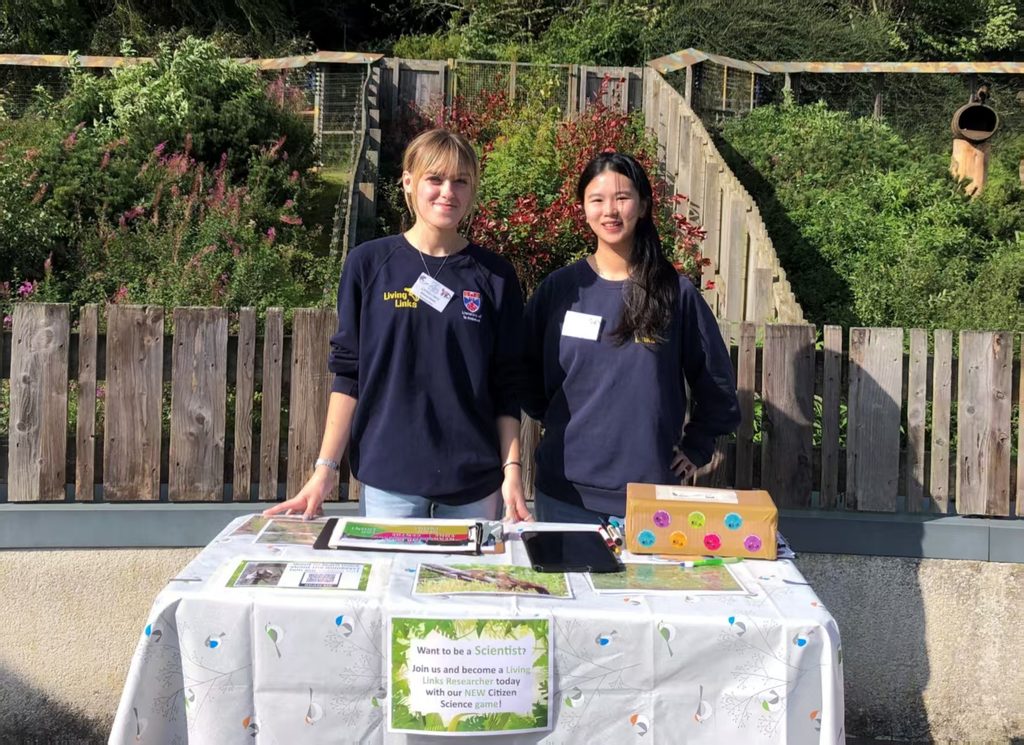
One of the most rewarding experiences I had during my studies came through Living Links, a research project at Edinburgh Zoo focused on primate behaviour, animal welfare and public engagement, run by St Andrews researchers. The project was not part of my degree, but I found it fascinating and contacted the professor leading the work to explain what I was interested in and what I wanted to do, and I was given the opportunity to get involved. At St Andrews, if you were curious about something and willing to reach out, there were often opportunities for you to explore it.
A 7,000 nautical mile challenge
The environment at the University really encouraged me to take initiative, reach out, and pursue the things that I was interested in. After graduation, I carried that same approach with me. Since I first heard about it aged 15, I had dreamed of taking part in the Clipper Round the World Yacht Race. It’s an offshore sailing race that trains ordinary people, often with no previous sailing experience, to race across the world’s oceans.
When I saw that Clipper was recruiting crew members in 2024, I thought, why not give it a try? I found myself sailing across the Atlantic from the UK to Uruguay, covering more than 7,000 nautical miles.

We were crew, not just passengers. We worked in shifts around the clock, taking turns at the helm, changing and trimming sails, navigating, cooking and maintain the boat. Depending on the wind and sea conditions, we sometimes had to change sails in the middle of the night, with several crew members working together to complete the task.
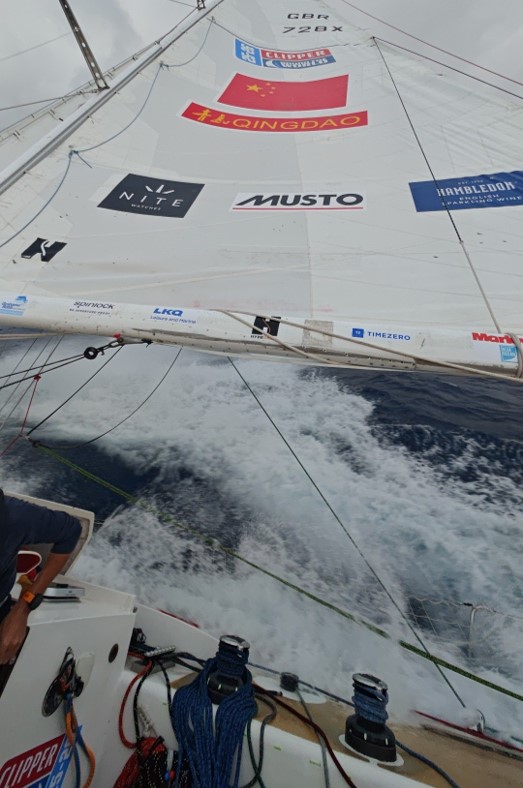
Life at sea completely changed my sense of distance. Journeys that take only a few hours by plane can take weeks by sail. We travelled past southern Europe and West Africa, crossed the Tropic of Cancer, the Equator and the Tropic of Capricorn. Locations that had once just been lines and names in a geography textbook suddenly became places I was physically passing through.

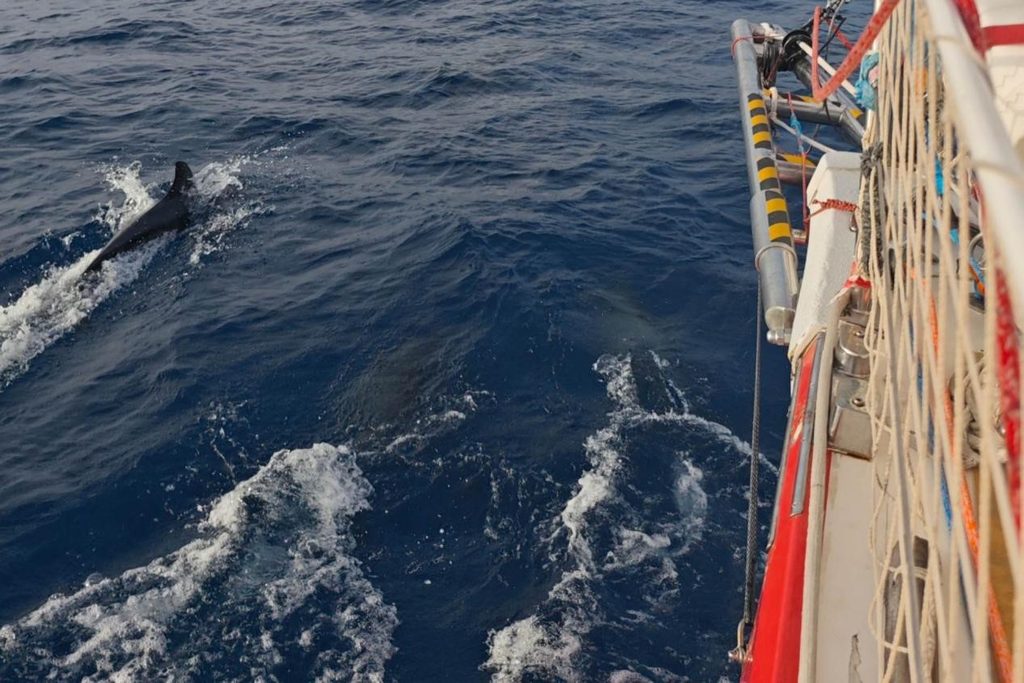
As someone who has always been interested in wildlife, I was constantly looking at what was around us. Flying fish would launch themselves across the waves and sometimes straight onto our deck; dolphins followed the bow for hours; and near the Equator, a group of red-footed boobies followed our boat for around 12 hours. Being at sea gave me the opportunity to experience wildlife in places I might never otherwise have visited.
The nights were probably what stayed with me most. With no city lights around us, the only light came from the moon, the compass and the Milky Way above the boat. Whenever I was at the helm, I would stop to look up at the stars.
One moment stands out above all others. Somewhere off Brazil, one of my crewmates shouted “Whale!” and we all ran on deck to see a humpback whale breaching again and again beside us. We were crossing the Atlantic, but around us whales and birds were migrating, and suddenly our own enormous journey felt quite small. As we set across the Atlantic, I had gone from a novice to an actual ocean racer.
